Objective
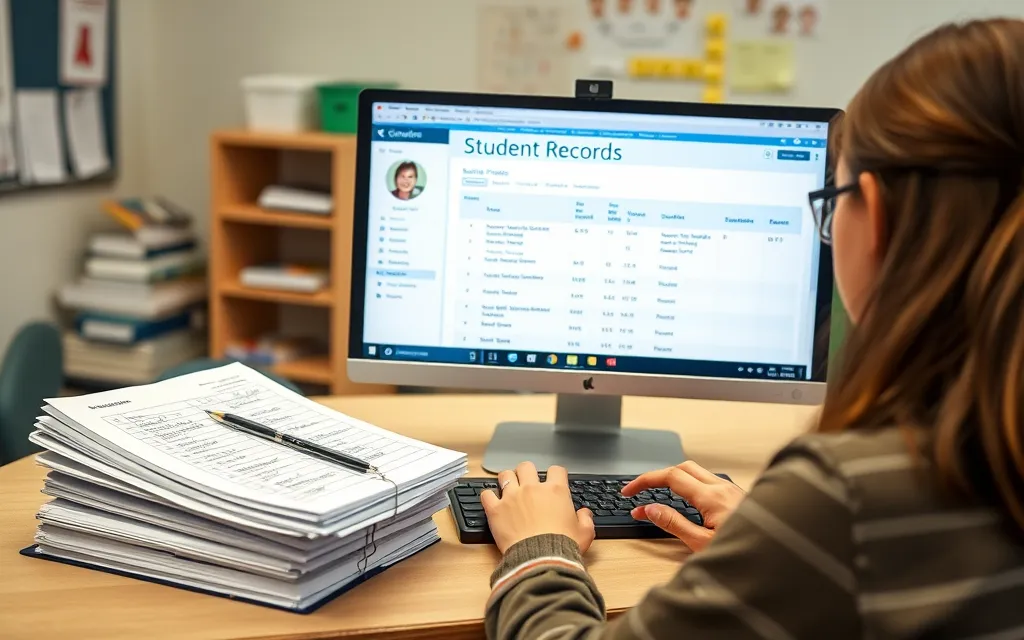
Digitize and analyze student academic records to improve educational outcomes, streamline administrative operations, and ensure compliance with data regulations.
Challenges
- Paper Records: Many educational institutions still rely on physical records, making retrieval and analysis slow.
- Time-Consuming: Manual data entry and record management take time away from teaching and learning activities.
- Compliance Risks: Mismanaged records can lead to privacy violations or other regulatory issues.
- Limited Insights: Unstructured data makes it difficult to analyze academic progress and outcomes effectively.
Solution
- Digitization: OCR scans and converts physical student records (e.g., transcripts, applications) into structured digital formats.
- Automation: Automatically categorizes student records (e.g., grades, course history) and updates academic profiles.
- Search and Retrieval: Enables quick, AI-driven search of student records, transcripts, and performance data for better access.
- Analytics: Identifies trends in student performance, flags at-risk students, and predicts educational outcomes.
Outcome
- Faster Access: Faculty and staff retrieve student records instantly, improving academic advising and administrative efficiency.
- Error Reduction: AI reduces errors in data entry, ensuring accurate and consistent records.
- Improved Insights: Analyze student performance trends to develop personalized educational strategies and improve resource allocation.
- Regulatory Compliance: Automated checks help meet data privacy and storage standards, ensuring compliance with educational regulations.
-
Example
Problem: A university struggles to retrieve paper transcripts and academic records during the admissions process, causing delays in enrollment.
AI Solution: Digitized records allow admissions staff to access student histories instantly through a secure AI-powered portal.
Result: Enrollment process speeds up, student satisfaction improves, and compliance with academic record regulations is maintained.